

insulated glass prices
Understanding Piston Type Check Valves Functionality and Applications Piston type check valves are essential components in various fluid systems, ensuring unidirectional flow and preventing backflow. These devices play a crucial role in maintaining system integrity, efficiency, and safety across multiple industries, including water supply, oil and gas, and chemical processing. What is a Piston Type Check Valve? A piston type check valve operates based on the principle of differential pressure. Unlike traditional swing or lift check valves, where a disc or ball moves to allow or block flow, a piston check valve employs a cylindrical piston that slides within a chamber. This design allows for a more agile operation and better sealing capabilities, which is particularly important in systems where pressure fluctuations are common. The basic structure of a piston type check valve includes an inlet and outlet port, a cylindrical piston, and a spring mechanism. The spring applies a predetermined force on the piston, ensuring that it remains closed when no flow exists. When fluid enters the valve, it exerts pressure on the piston, overcoming the spring force and pushing the piston open. Once the fluid flow reverses or reduces significantly, the spring closes the piston, preventing backflow. Advantages of Piston Type Check Valves 1. High Sealing Capability The piston design offers superior sealing characteristics compared to other types of check valves. This is particularly beneficial in applications where leak prevention is critical, such as in oil pipelines or chemical plants. 2. Low Pressure Drop Piston type check valves are designed to minimize pressure loss within the system. This ensures that the efficiency of the fluid transport process is maintained, as unnecessary pressure drops can lead to increased energy costs and decreased operational efficiency. 3. Versatility in Application These valves can handle various types of fluids, including liquids, gases, and slurries. Their robust design allows them to operate effectively in high-pressure and high-temperature environments, making them suitable for demanding industrial applications. piston type check valve 4. Compact Design Piston type check valves are generally smaller in size compared to traditional check valves . This compact design facilitates easier installation in tight spaces while reducing the overall footprint of the piping system. 5. Minimal Maintenance Due to their simple yet effective mechanism, piston type check valves require less frequent maintenance. Their durability and resistance to wear and tear reduce downtime and maintenance costs for operators. Common Applications Piston type check valves are widely used in various industries due to their reliability and efficiency. Some common applications include - Water Supply Systems In municipal water supply networks, these valves prevent backflow that can contaminate potable water sources. - Oil and Gas Industry Piston check valves are employed in pipelines to ensure the one-way flow of crude oil and natural gas, protecting infrastructure and optimizing transportation. - Chemical Processing They help maintain the integrity of fluid movement within chemical plants, preventing hazardous materials from flowing back into tanks or systems. - HVAC Systems In heating, ventilation, and air conditioning systems, piston check valves help manage fluid movement effectively, contributing to energy efficiency. Conclusion Piston type check valves are invaluable in modern fluid transport systems, providing reliable performance and safety. Their unique design, which includes a sliding piston mechanism, offers distinct advantages such as high sealing capability, low pressure drops, and versatility across various applications. As industries continue to evolve and demand more efficient fluid control solutions, piston type check valves will remain at the forefront, ensuring integrity and reliability in fluid management. Understanding their functionality and applications is crucial for engineers and operators alike, as these components play a key role in optimal system performance.
about
insulated glass prices
The Significance of Large Granite Blocks in Construction and Design Large granite blocks have been a fundamental material in construction and design for centuries. Known for their incredible durability, aesthetic appeal, and versatility, these massive stones have been used in everything from ancient monuments to modern architectural designs. Granite, an igneous rock composed mainly of quartz, feldspar, and mica, is renowned for its strength and resistance to weathering. This makes it an ideal choice for structures that require longevity and stability. Historical monuments such as the Great Pyramid of Giza and Stonehenge utilize large granite blocks, showcasing their significance in ancient engineering. The precision with which these blocks were cut and transported illustrates the advanced capabilities of early civilizations. In modern architecture, large granite blocks continue to play a vital role. They are often used as cladding material for buildings, providing both structural integrity and an elegant finish. The versatility of granite allows architects to use it in various styles, from sleek and contemporary designs to more traditional and rustic applications. The natural variations in color and pattern in granite can add visual interest, making each structure unique. large granite blocks Furthermore, granite is an environmentally friendly choice. It is a natural stone quarried from the earth, requiring minimal processing compared to synthetic materials . Its durability also means that structures built with granite do not need frequent repairs or replacements, reducing waste. In an era where sustainable construction practices are becoming increasingly important, the use of large granite blocks aligns perfectly with eco-friendly building philosophies. The aesthetic appeal of granite cannot be overlooked. Its timeless beauty makes it a popular choice for outdoor landscaping features, such as patios, walkways, and garden walls. In addition, large granite blocks can be utilized as focal points in parks and public spaces, providing a sense of permanence and elegance. They can be carved into sculptures or incorporated into water features, enhancing the overall environment. Finally, the symbolism associated with granite also contributes to its popularity. Often seen as a representation of strength and endurance, structures made from large granite blocks can evoke feelings of stability and resilience. This symbolism resonates with architects and clients alike, making granite a favored choice for important buildings and monuments. In conclusion, large granite blocks hold a prominent place in both historical and contemporary contexts. Their durability, aesthetic qualities, and environmental benefits make them an ideal choice for a wide range of applications. As we continue to appreciate the natural beauty and strength of granite, we can look forward to its ongoing use in shaping our built environment for generations to come.
-

High quality industrial productsagement

High quality industrial products
View Details -

Meet the diverse needs of customers

Meet the diverse needs of customers
View Details -

Strict quality control

Strict quality control
View Details -

Top raw materials

Top raw materials
View Details -

Trusted supplier

Trusted supplier
View Details
Our application

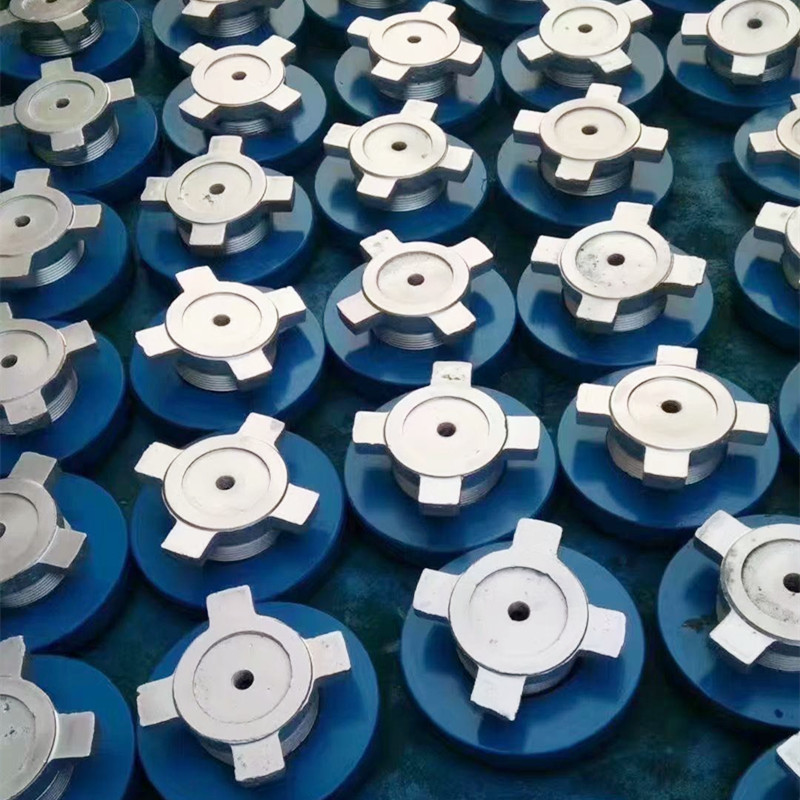


news and information

V Blocks for Precision Machining and Tool Alignment in Manufacturing Processes
Understanding V Blocks for Machining Essential Tools for Precision Work In the realm of machining, p
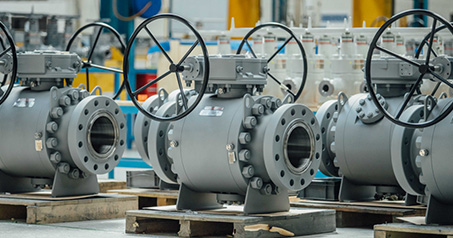
Versatile Clamps for Efficient Welding Table Setup and Secure Workholding Solutions
Essential Guide to Welding Table Clamps A Must-Have for Every Workshop Welding is a crucial skill in
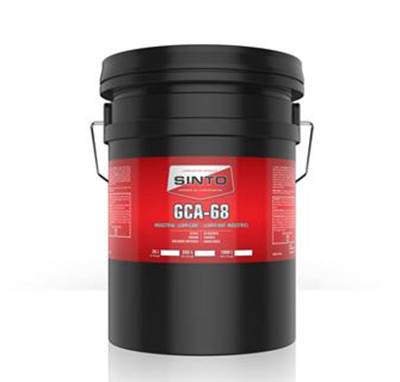
Wholesale Suppliers for High-Quality Ball Valves in Diverse Applications
The Wholesale Market for Ball Valves Trends and Insights In the industrial landscape, ball valves pl
 English